Production & Industry 4.0
IT and OT: Different but Converging
February 15, 2023, Franz Braun
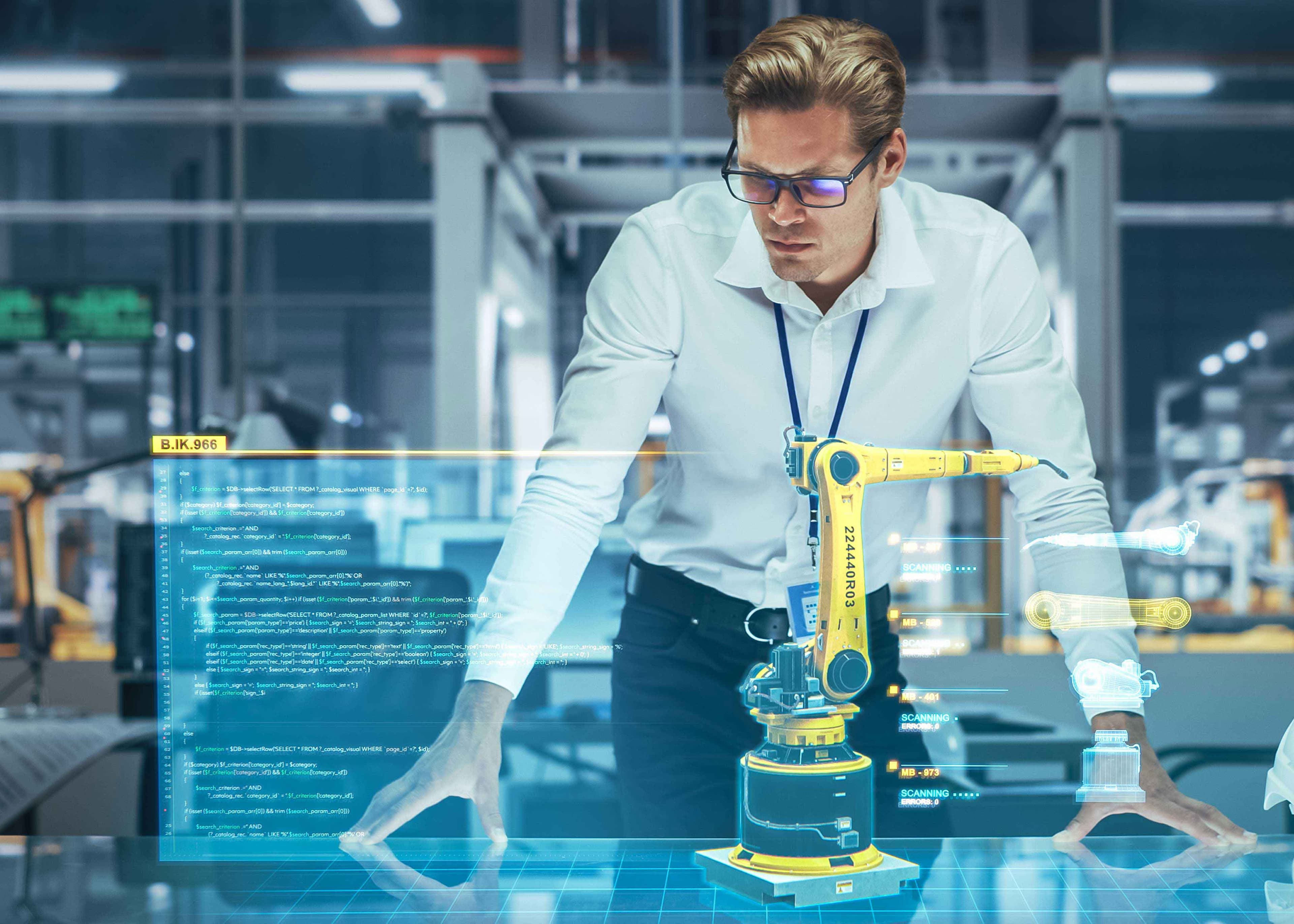
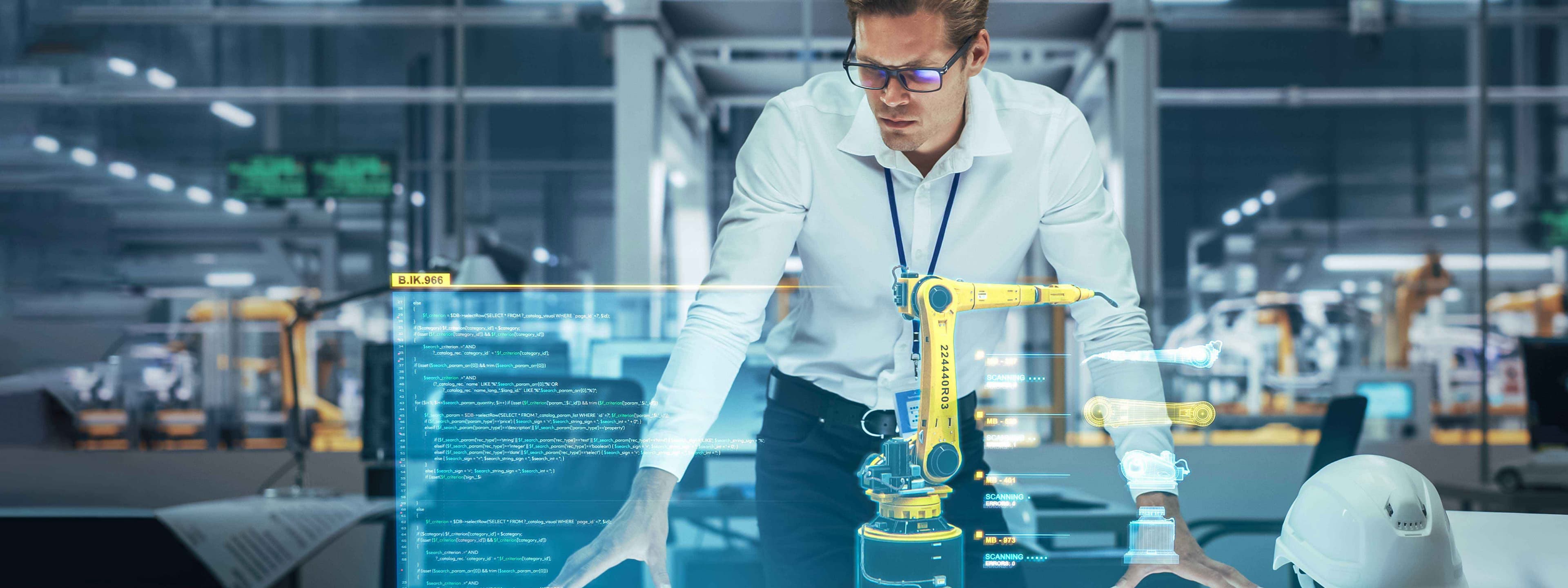
Information technology (IT) and operational technology (OT) are indispensable for modern companies and – albeit for different purposes – point the way to the future: IT focuses on storing, processing and transmitting information. OT, on the other hand, is concerned with monitoring and controlling physical devices and processes.
IT and OT: At a Glance
- Information technology (IT) and operational technology (OT) are indispensable in modern companies and are increasingly complementary.
- IT systems are used to process and transfer data in order to improve processes and communication.
- OT encompasses hardware and software used in manufacturing and industrial environments to improve production efficiency and operational safety.
- IT and OT systems differ in how flexible or specialized they are and to what extent they can be integrated with other systems.
How do IT and OT actually differ? The Captain Obvious/know-it-all answer is, “different first letters.” But before we compare the different functionalities and applications of IT and OT, it helps to clarify the two terms.
Information Technology
IT stands for Information Technology, broadly encompassing the processing and transfer of data in various forms from A to B. Ensuring the quality and integrity of the data is crucial in IT. A good example is an enterprise resource planning system for planning and controlling the use of human, technical, logistical and financial. In a nutshell: IT systems are primarily used to solve business problems, i.e., to make processes and communication in organizations faster and more efficient.
Operational Technology
OT stands for Operational Technology. In contrast to IT, OT involves the use of hardware and software in an industrial environment, often in manufacturing or in the energy sector. However, OT is also used in controlling building environmental systems and in medicine. A good example is smart hospital beds, which have network interfaces that monitor and display patient status and related information at the patient's bedside.
Different but often linked
Although IT and OT involve different systems and applications they are often closely linked. In many companies, teams work together on both IT and OT projects. For example, IT professionals in a manufacturing company, will manage the computers and software used in business processes while OT professionals monitor and control the computers and manufacturing equipment.
Inconvenience vs. catastrophe
IT and OT differ significantly in the risks and consequences of systems failures. IT downtime can be inconvenient, lengthy and costly but it’s typically doesn’t endanger health and safety. OT systems, on the other hand, often involve critical infrastructure and processes that are essential for operational safety and performance. Even small problems can have serious consequences. For example, a malfunction in an OT system can cause a production failure, a transportation accident, a power outage or the failure of life-critical medical systems. That’s why OT systems are usually subject to much stricter regulations.
Flexible or specialized?
Another difference is the degree of integration with other systems. IT systems are often designed to be flexible, adaptable and easy to connect with other systems and devices. This makes it possible to integrate different types of software and hardware and share information between departments and locations. OT systems, on the other hand, are often more specialized, less flexible and focused on a specific task or process.
Categories: Production & Industry 4.0